- Associate Degree
- 100% online
- 24 months
About the Course
Graphic design now spans brand systems, motion, product interfaces, and content that must be inclusive, verifiable, and AI-aware. Creative work is converging across print, web, mobile, and experiential media; motion graphics and on-screen typography are mainstream; and design teams increasingly expect fluency with collaborative, cloud tools and generative workflows. Trend monitors from Adobe and Figma highlight AI-assisted ideation and production, rapidly growing motion/immersive aesthetics, and the centrality of multiplayer design platforms in everyday practice, underscoring the tools and thinking new designers need on day one.
Simultaneously, the bar for accessibility and trust is rising: WCAG 2.2 adds testable criteria designers must meet for digital products, and the Content Authenticity Initiative/C2PA standard is spreading across the creative ecosystem to help prove provenance and label AI-assisted media. These aren’t optional extras—they’re the new literacy of professional practice.
To keep graduates employable globally, this curriculum builds typography and visual systems depth, brand and information design, motion and interaction, AI & 3D foundations, production for print and screen, and ethics/IP & content credentials—mirroring time-tested pillars you’d expect in established catalogs (e.g., Typography, Production, Motion Graphics, Web Graphics, Visual Communication) while pushing into the skills employers now request
| Graphic Design & Visual Communication | |
| number of jobs | 90 |
| average salary | 76% |
| market worldwide | 100% |
Learning Plan
− Duration: 2 Years (24 months)
− Structure: 4 Semesters (15 weeks each)
− Total Credit Hours: 60
− Delivery: 100% online, with blended formatsincluding lectures, virtual studios, and digitalproject simulations
− Credential Awarded: Associate of AppliedScience (A.A.S.) in Graphic Design

Best purchase i made in envato. Great Theme!

Thank you for all your help and assistance over the years with our products.
I would have no hesitation in recommending you to my clients.

Popular Courses
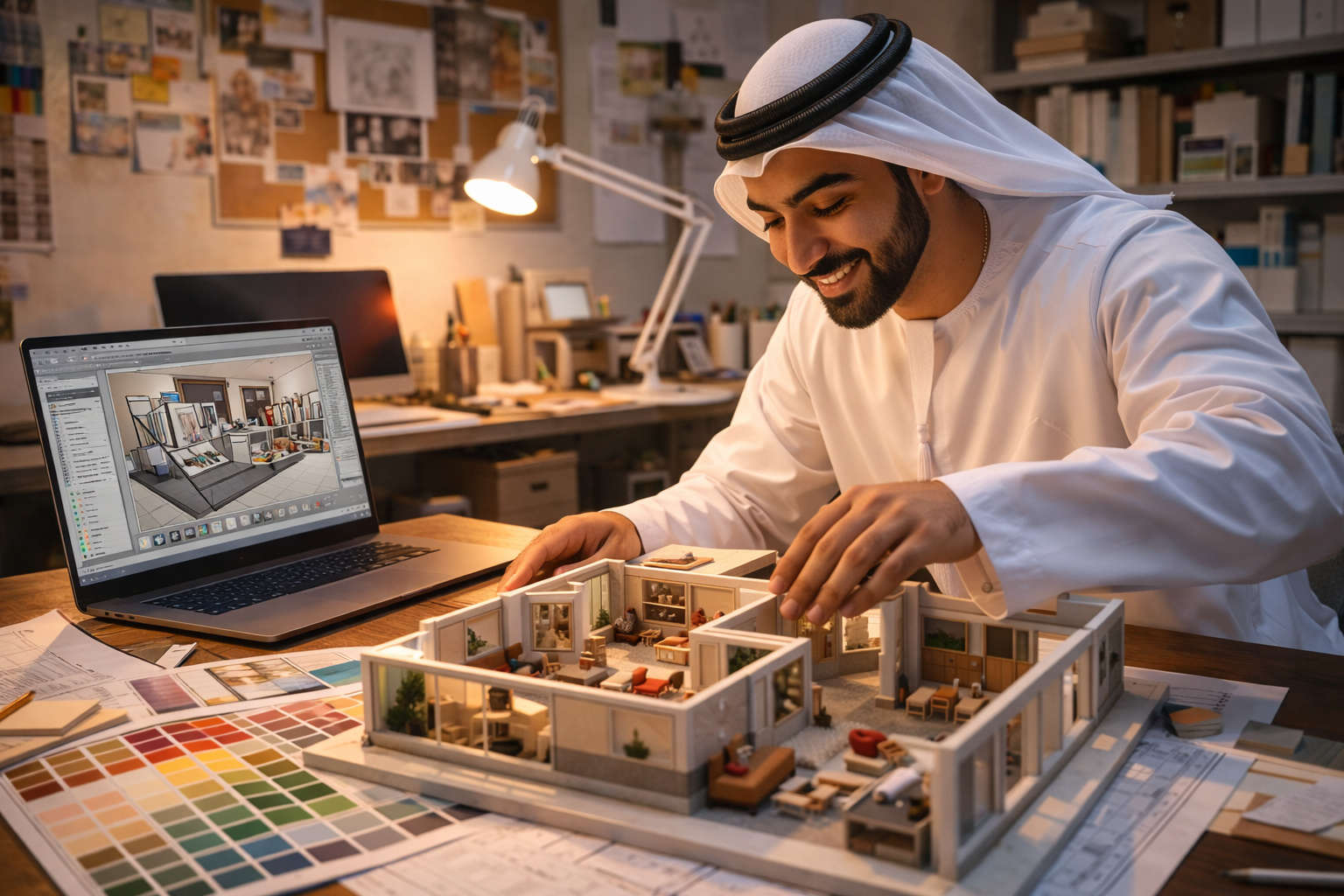
Interior Design

Architecture

Construction Management